


Silver City Is Your Gateway to Sequoia’s Secret Paradise.
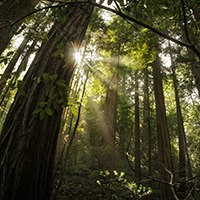
 At the end of a long, winding road that snakes up into the Sierra Nevada mountain range, lies Silver City. This remote and difficult destination is more than worth the effort, as you will never see tour buses or lines of people up here. Instead, you will find the mountains in their rawest and purest form. Nestled into this pure-redwood oasis is a Sequoia resort that boasts California luxury cabins for a weekend getaway, unplugged vacation, or a reprieve from city life into nature.
Walk through towering groves of giant Sequoias at dusk or climb high up into the mountains to crystal clear alpine lakes or snowy passes. Look up at the Milky Way and watch for shooting stars as you sit around a crackling fire pit at night drinking a bottle of a local red wine. At Silver City Mountain Resort, you can be out in the beauty of nature and completely apart from civilization in a heartbeat.
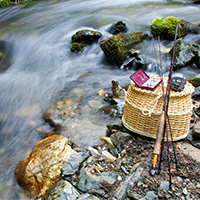
 Escape from of the hustle and bustle of city life plagued with smog and stress, and melt away into to this secluded paradise or reclaim your magic with a guided hike or fishing trip. Being amidst the wise, old sequoias brings balance and centering in an overstimulated and stressful world. Quiet your mind and awaken your imagination as you reconnect with yourself. Retreat into one of our cabins such as Franklin Pass, Hockett Meadow, or Monarch Lake.
Stay at Silver City Mountain Resort for a romantic weekend or a nature getaway, and we’ll welcome you with our famous pie and an amazing cabin among the sequoias. Be sure to check out our packages and events to find out more about the packages we offer, including our High Sierra Romance Package and Sequoia Family Adventure Package. At our Sequoia resort, we also host special events, from weddings to corporate retreats.
Connect with us today!
“This is a hidden jewel in the mountains... The accommodation, the service, and the best high quality food I ever had... 6 stars if it would exist."
Almut S.
“I just couldn't have been happier, the staff were the greatest -- the games, roads, and trails were all pristine. Just a perfect place to get away, unplug, and enjoy nature and a star filled sky. In summary, I can't recommend this place enough."
Brian R.
"This is an amazing place to vacation. The staff are so kind and eager to serve. The food is amazing. I will be going back soon."
Jamie S.
Fifteen Relaxing and Rejuvenating Cabins
The cabins range from rustic, historically built two-room buildings to our spacious three bed, 1.5 bath superior chalet. Each cabin, no matter its age, could tell a story or two and has housed great memories for hundreds of families. We hope to make these cabins and Silver City Mountain Resort your favorite vacation destination!
"The rustic cabins were very nice, they had everything you need. The staff was very friendly and helpful and the food at the restaurant was fantastic. Looking forward to a return trip in the future!"
Michael F.